
Exploring the vibrant tapestry of casino culture across the globe
The Evolution of Casino Culture
The journey of casino culture has evolved significantly from ancient times to the present day. In the early days, gambling was often a simple pastime enjoyed by the elite, often associated with social gatherings and festivity. The Romans had their own versions of gambling, where games like dice and betting on chariot races were commonplace. As societies progressed, so did the notion of gambling, ultimately leading to the establishment of formal casinos, starting in places like Venice during the 17th century, where the first official casino, the Ridotto, opened its doors. Today, players in Australia can experience the rewards of loyalty through programs like MaxiSpin Casino VIP Australia.

Throughout the years, casinos have transformed from austere buildings to extravagant establishments featuring luxurious designs and state-of-the-art technology. Each era brought innovations that shaped casino experiences, from the introduction of slot machines in the late 19th century to the online gaming revolution at the turn of the 21st century. The proliferation of casinos globally reflects their acceptance and integration into various cultures, with each region adopting distinct designs and themes that resonate with local customs and aesthetics.
In contemporary society, casino culture has become intertwined with entertainment and tourism. Major cities like Las Vegas and Macau are not only gambling hubs but also vibrant tourist destinations, showcasing a plethora of entertainment options. The casino experience has diversified, incorporating dining, shopping, and live performances, highlighting a holistic approach to leisure that attracts millions of visitors annually. The evolution of this culture underscores its adaptability and ongoing significance in global entertainment.
Cultural Influences on Casino Design
The design of casinos is a reflection of the cultural context in which they exist. From the opulence of Monte Carlo’s casinos to the vibrant themes of Las Vegas, architectural choices are made to evoke specific emotions and experiences. For instance, many casinos use elaborate lighting and soundscapes to create an immersive environment that captivates players. Elements like water features, art installations, and themed decor enhance the overall ambiance, making gambling feel like an escape into another world. This careful consideration of casino design and ambiance contributes significantly to the overall player experience.
Different cultures also influence gaming layouts and the types of games offered. In Asia, for example, traditional games like Pai Gow and Sic Bo are prevalent, catering to local tastes. In contrast, American casinos might focus more on slot machines and card games like poker and blackjack. These cultural preferences inform the design and layout of casinos, creating spaces that feel familiar and welcoming to their target audiences, ensuring that players feel comfortable and engaged.
Moreover, casino design incorporates elements of psychology to encourage prolonged gaming experiences. The strategic placement of games, along with the lack of windows and clocks, creates a sense of timelessness that can lead players to lose track of time. This intentional design choice reflects a deep understanding of consumer behavior and aims to maximize engagement while providing a unique cultural experience that resonates with visitors.
The Social Dynamics of Gambling
Gambling has always been a social activity, fostering interactions among players from diverse backgrounds. Casinos serve as communal spaces where people gather not only to play but also to connect and share experiences. The atmosphere in casinos often encourages camaraderie, whether at a poker table or near a slot machine. This social element can significantly influence the gambling experience, making it less about individual play and more about shared moments and stories.
The rise of online casinos has also transformed social dynamics within the gambling realm. Virtual platforms now allow players to interact through chat features, creating communities that replicate the social atmosphere of traditional casinos. However, this shift raises questions about the authenticity of connections made online compared to face-to-face interactions. As technology advances, the interplay between traditional and digital gambling continues to shape how players engage with one another.
Furthermore, the emergence of gambling as a popular entertainment option has given rise to various social events and tournaments, creating opportunities for players to compete against each other. These events often bring together diverse groups of individuals, further enriching the social tapestry of casino culture. Whether through friendly competition or shared gaming experiences, the social dynamics of gambling continue to evolve, reflecting the broader cultural narratives of society.
The Impact of Regulations and Legislation
Regulation plays a crucial role in shaping casino culture, affecting how they operate and interact with their patrons. Different countries have varying laws regarding gambling, which influences the types of games offered and the overall casino experience. For instance, in jurisdictions with strict regulations, casinos may provide fewer gaming options and more focused entertainment experiences. Conversely, regions with looser regulations often witness a proliferation of gaming establishments and an increase in innovative gaming formats.
The impact of legislation also extends to player protection and responsible gambling initiatives. Many countries have introduced policies aimed at safeguarding players from potential gambling addiction and ensuring fair play. These regulations often require casinos to implement measures that promote responsible gaming, such as self-exclusion programs and awareness campaigns. By fostering a culture of safety and responsibility, casinos can enhance their reputation and attract a more diverse clientele.
As the global gaming landscape continues to evolve, the interaction between regulation and casino culture will remain a key area of focus. Lawmakers and casino operators must navigate a complex landscape of social, economic, and ethical considerations. As gambling becomes increasingly mainstream, the balance between ensuring player freedom and promoting responsible gaming will shape the future of the casino industry, impacting how culture and legislation coalesce across different regions.
MaxiSpin Casino and the Modern Gaming Experience
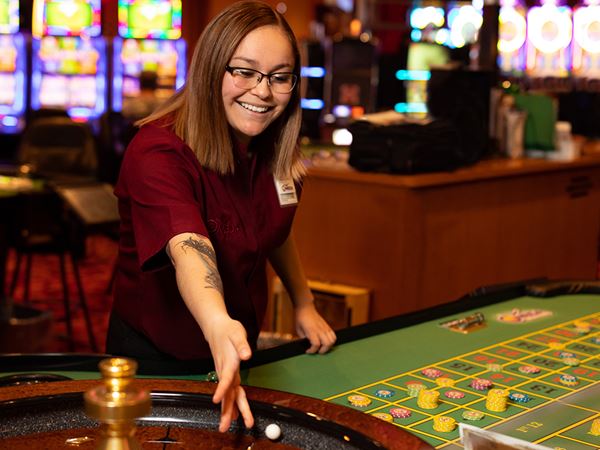
MaxiSpin Casino represents the modern evolution of casino culture, offering a vibrant platform for players seeking both entertainment and rewards. With a diverse array of games, including slots and table games, MaxiSpin caters to a wide range of preferences, ensuring that all players find something that resonates with them. The user-friendly interface and engaging design create a welcoming environment that reflects the exciting atmosphere of traditional casinos.
One of the standout features of MaxiSpin is its tier-based VIP program, designed to reward loyal players. This program highlights the growing importance of customer engagement in the modern gaming landscape. With benefits like cashback, reload bonuses, and exclusive promotions, players are incentivized to return and continue their gaming journey. Such initiatives reflect a deeper understanding of player needs and preferences, aligning with broader trends in casino culture.
In conclusion, MaxiSpin Casino not only offers an extensive gaming selection but also embodies the vibrant tapestry of global casino culture. By integrating elements of entertainment, community, and player rewards, MaxiSpin enhances the overall gaming experience. As the casino landscape continues to evolve, platforms like MaxiSpin exemplify how casinos are adapting to meet the expectations of a diverse audience, enriching the cultural narrative of gambling worldwide.